Wedding Watercolor Flower Designs: Elevate Your Stationery
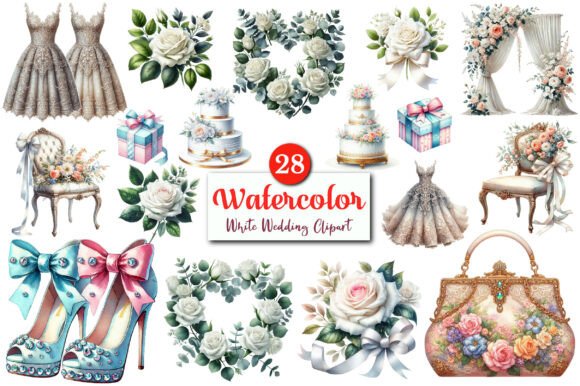
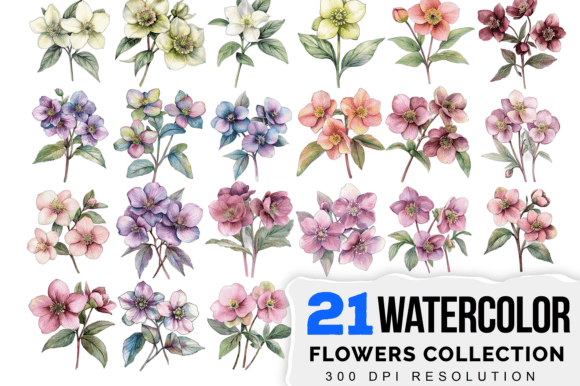
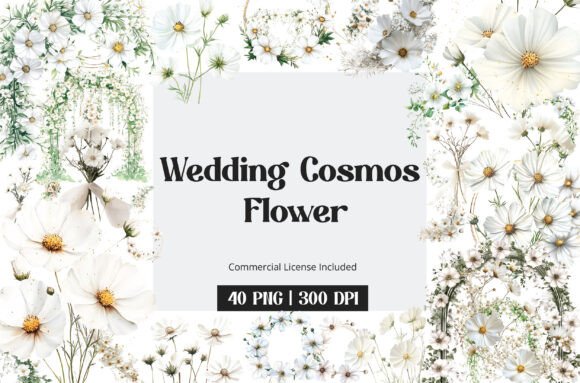
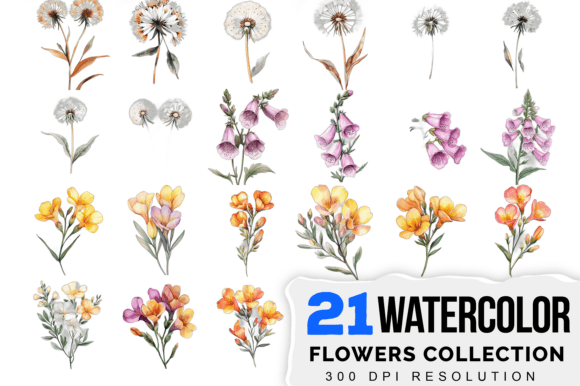
When you are planning a wedding or curating a brand identity for a client, the texture of the design is just as important as the message. Flat, digital vectors have their place, but they often lack the warmth required for emotional connection. This is where Wedding Watercolor Flower Designs become a pivotal asset. Unlike standard clip art, these are hand-painted illustrations that carry the organic irregularity of real pigment on paper. The appeal lies in the "bleed" and the soft edges—characteristics that are notoriously difficult to replicate digitally but are captured perfectly in high-resolution PNG files. These designs bridge the gap between traditional artistry and modern digital design, offering a premium feel that standard design assets simply cannot match.
The Anatomy of the Aesthetic: Softness and Sophistication
Understanding the visual personality of these designs is key to using them effectively. Watercolor is inherently romantic and fluid. It avoids the hard lines of sans serif font typography or the rigidity of grid-based layouts. The "personality" of Wedding Watercolor Flower Designs is soft, airy, and organic. The transparent backgrounds are a critical technical feature here. Without them, placing these florals over textured paper or photographs would result in harsh white boxes that break the immersion. With transparency, the flowers can wrap around text, nestle into corners of a layout, or create a full border without looking pasted on.
For designers, this offers immense versatility. You are not just buying flowers; you are buying compositional elements. Consider how a soft peony cluster interacts with a script font versus a geometric sans serif font. The watercolor softens the rigidity of the typography, creating a visual hierarchy that guides the eye naturally. This interplay is essential in editorial design and packaging design, where the goal is often to balance structure with emotion.
Real-World Applications Beyond the Wedding Album
While the name suggests a singular focus, the utility of Wedding Watercolor Flower Designs extends far beyond invitations. As a brand strategist, I often recommend these elements to businesses in the wellness, beauty, and lifestyle sectors. Why? Because they instantly humanize a brand. A corporate logo or a minimalist logo design can sometimes feel cold or distant. Incorporating watercolor elements into the surrounding brand identity—such as on business cards, website headers, or packaging—adds a layer of approachability.
- Social Media Graphics: Use these designs as background layers for Instagram stories or quote cards to stop the scroll with organic beauty.
- Web Design: They make excellent hero images or section dividers that soften the user experience on a landing page.
- Print on Demand: For entrepreneurs, these assets are perfect for creating journals, planners, or apparel that appeals to a feminine demographic.
- Blog Headers: Content creators can use them to establish a consistent aesthetic for lifestyle or travel content.
The versatility of these creative font companions means they work equally well in digital and print mediums. Because the files are high-resolution, they remain crisp even when scaled for large format printing, such as welcome signs or backdrops, provided the original file quality is high enough.
Practical Integration: Typography and Layout Strategy
Integrating floral elements requires a disciplined approach to typography. The biggest mistake I see junior designers make is allowing the illustration to compete with the text. When using Wedding Watercolor Flower Designs, the text must remain the hero. This is where your choice of typeface becomes critical.
Watercolor art is visually "busy" with texture. Therefore, pairing it with a highly ornate handwritten font or a distressed serif font can result in a cluttered, illegible mess. The best practice is contrast. If the floral arrangement is lush and detailed, opt for a clean, geometric sans serif font or a legible, elegant serif font with generous spacing (tracking). If you must use a script font, ensure it is a "formal script" with distinct letterforms rather than a loose, scrawling handwriting style.
Consider the visual hierarchy. The flowers should usually frame the content, not sit behind it in a way that reduces contrast. If you are placing text over a watercolor wash, you may need to apply a subtle drop shadow or a semi-transparent overlay to ensure readability. This attention to detail separates amateur stationery from professional editorial design.
Evaluating Quality and Licensing
When sourcing Wedding Watercolor Flower Designs, scrutinize the file formats. You specifically need PNG files with transparent backgrounds. JPEGs will not work for layering. As noted, these files come in a compressed ZIP folder, so ensure your workflow supports extraction. Furthermore, color fidelity is a common pain point. Watercolors rely on subtle gradients. When moving from screen to print, colors can shift. Always do a test print on your chosen stock—whether it is cotton rag or glossy cardstock—to see how the digital translation holds up.
From a business perspective, understand the licensing. Most of these sets are for personal use or limited commercial use. If you are a small business owner planning to sell products featuring these designs (like printed tote bags or mugs), verify that the license permits "print on demand" or "end products for sale." Using a premium font or asset without the correct commercial license is a legal risk no brand should take.
Conclusion: The Value of Authenticity
In a market saturated with AI-generated graphics and rigid vector shapes, the hand-painted imperfection of watercolor stands out. It signals care, craftsmanship, and romance. By incorporating these high-quality design assets into your toolkit, you aren't just decorating a page; you are adding a layer of tactile authenticity that resonates with audiences. Whether you are a bride designing your own save-the-dates or a designer building a brand identity for a boutique florist, these designs offer the perfect blend of technical utility and artistic soul.